The core of it is four steps that repeat for every topic, whether it's an easy one or the hardest thing in FAR.
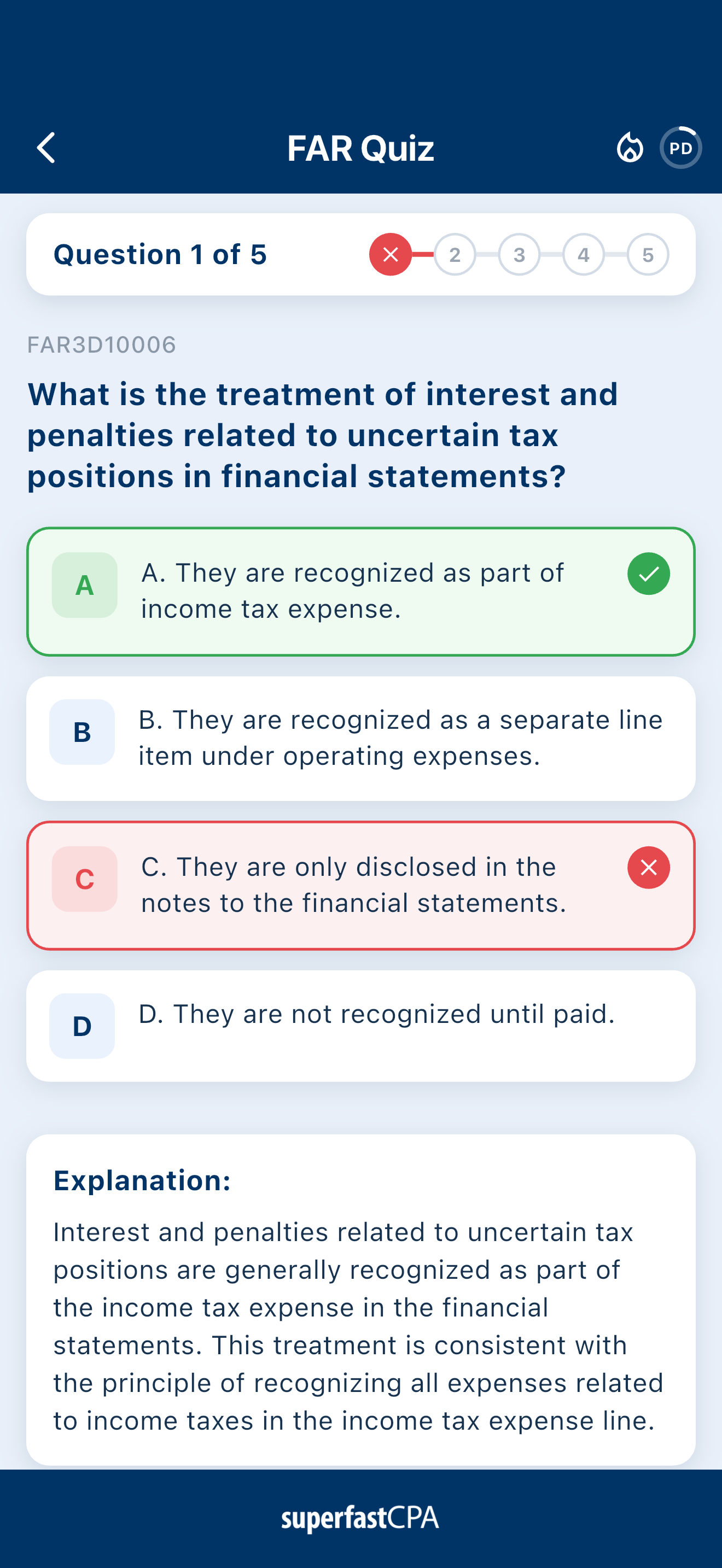
1. Understand it in test-day context. Instead of watching a lecture and reading the chapter first, you start with the MCQs for that topic. You learn how to diagnose what a question is actually asking, then reverse-engineer the solution until the logic and/or calculation makes sense, so that you're building the understanding directly in the format you'll see on test day. There's a specific process for doing this, and a different one for simulations. Most people get to where they think they understand a topic, and then they move onto the next topic without doing anything related to steps 2-4 below, but every step in this process is more important than the last.
2. Verify that you actually understand it. This is the step almost nobody does, and it's where most study time quietly goes to waste. Thinking or assuming you understand an explanation, and being able to produce the answer yourself are different things, and it's easy to mistake the first for the second. Study Process Pro shows you how to prove to yourself that you've actually got it before you move on.
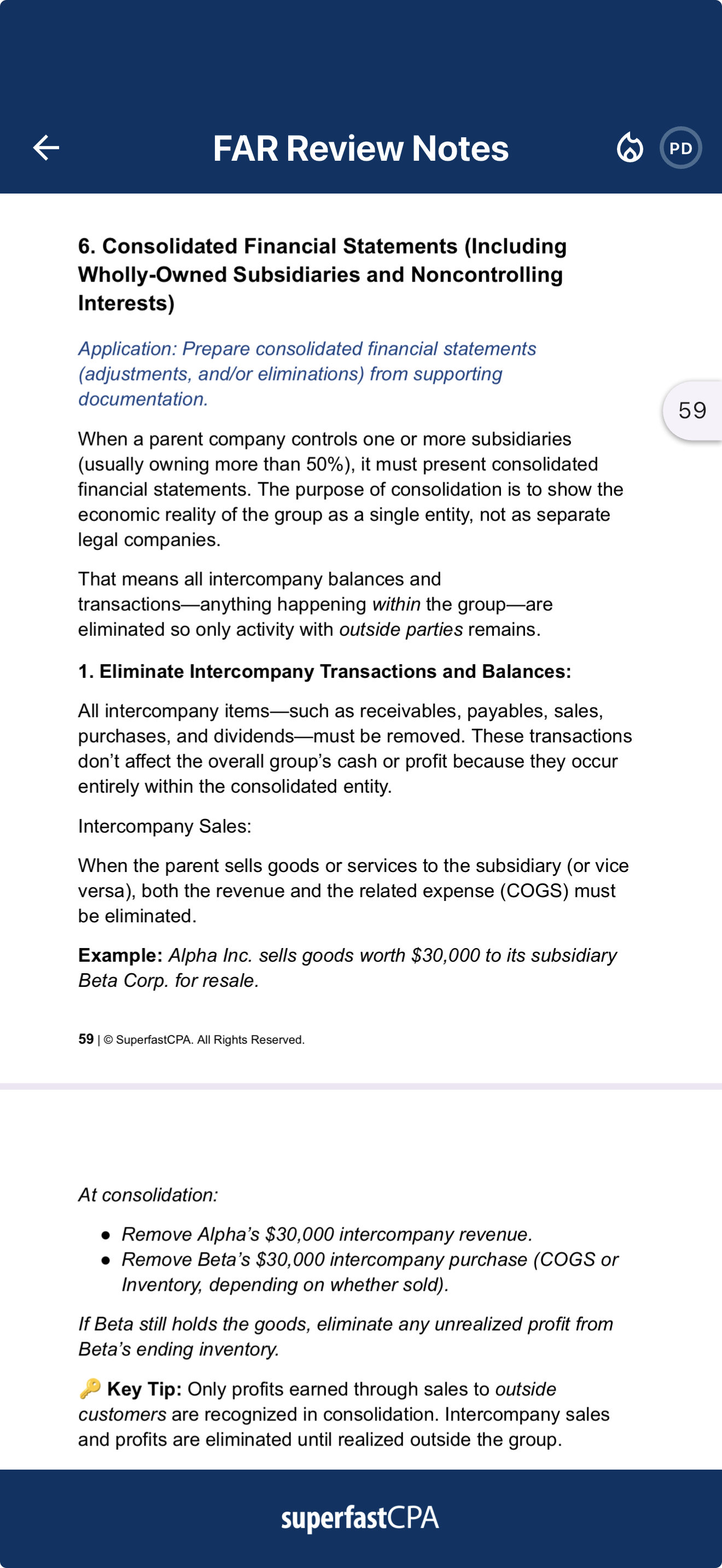
3. Capture the understanding. Breakthroughs on difficult topics are surprisingly fragile and fleeting. You can fully understand something on a Tuesday and have it gone by the following week, because you've pushed a dozen new topics in behind it. So you “capture it”, in your own words, in a format built for recall rather than rereading. There are rules for which things get captured and which don't, because doing this for everything would consume your whole study process.
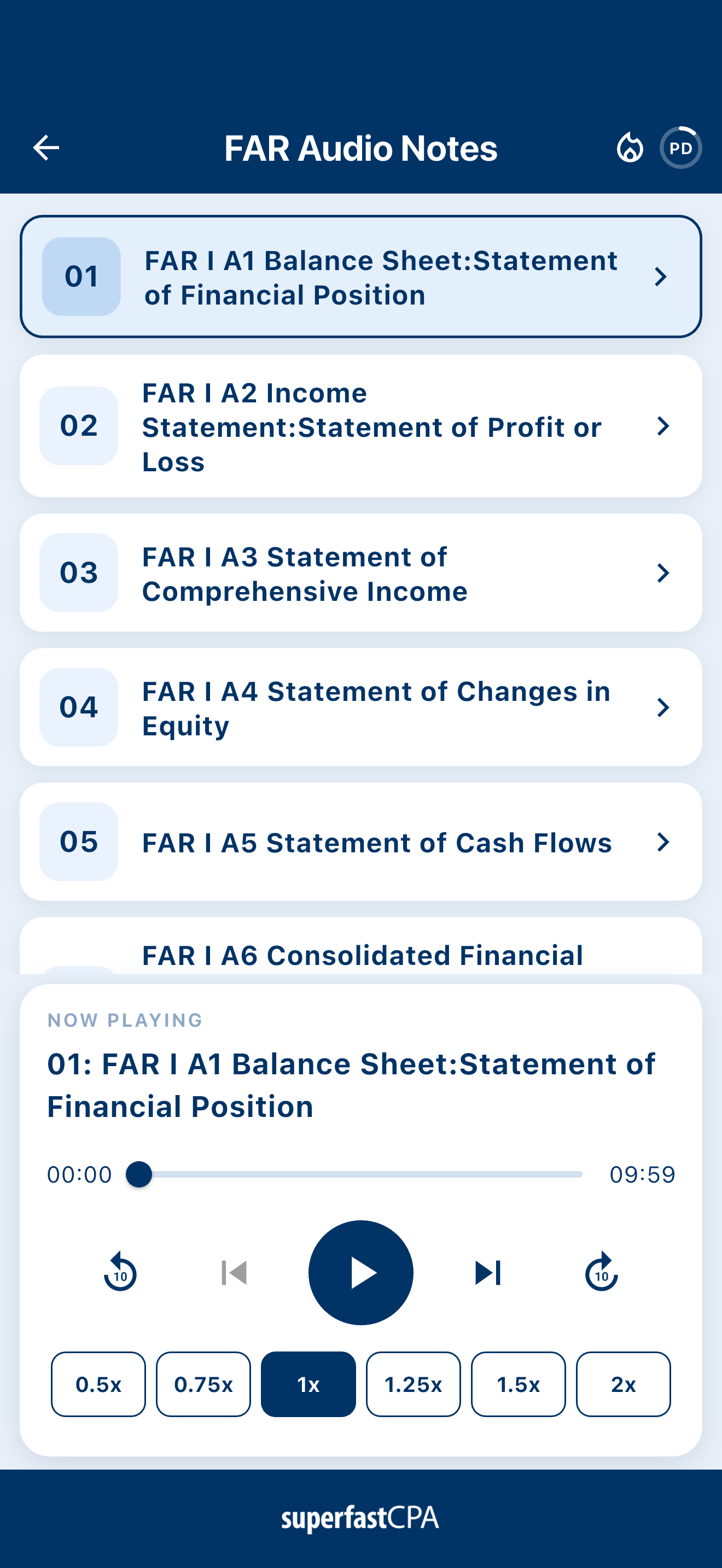
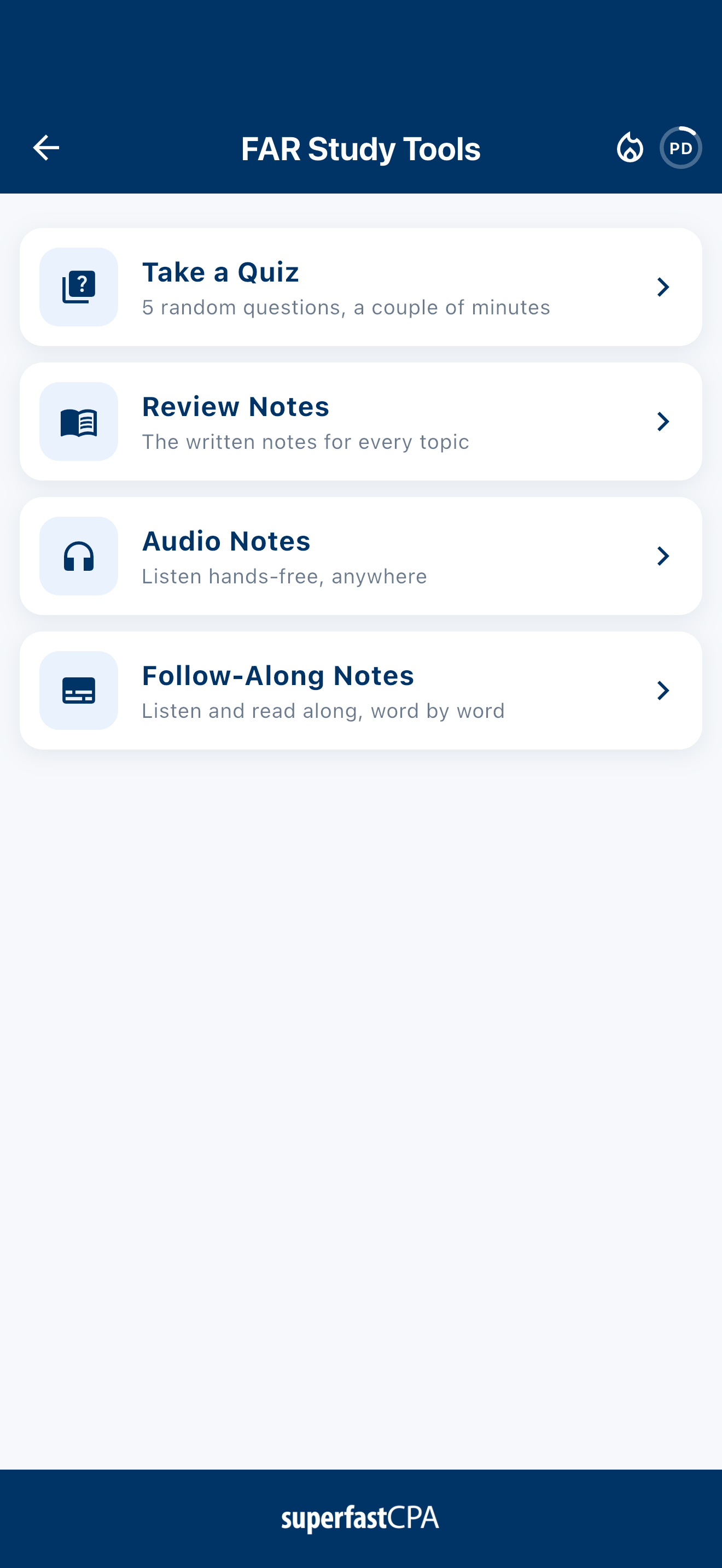
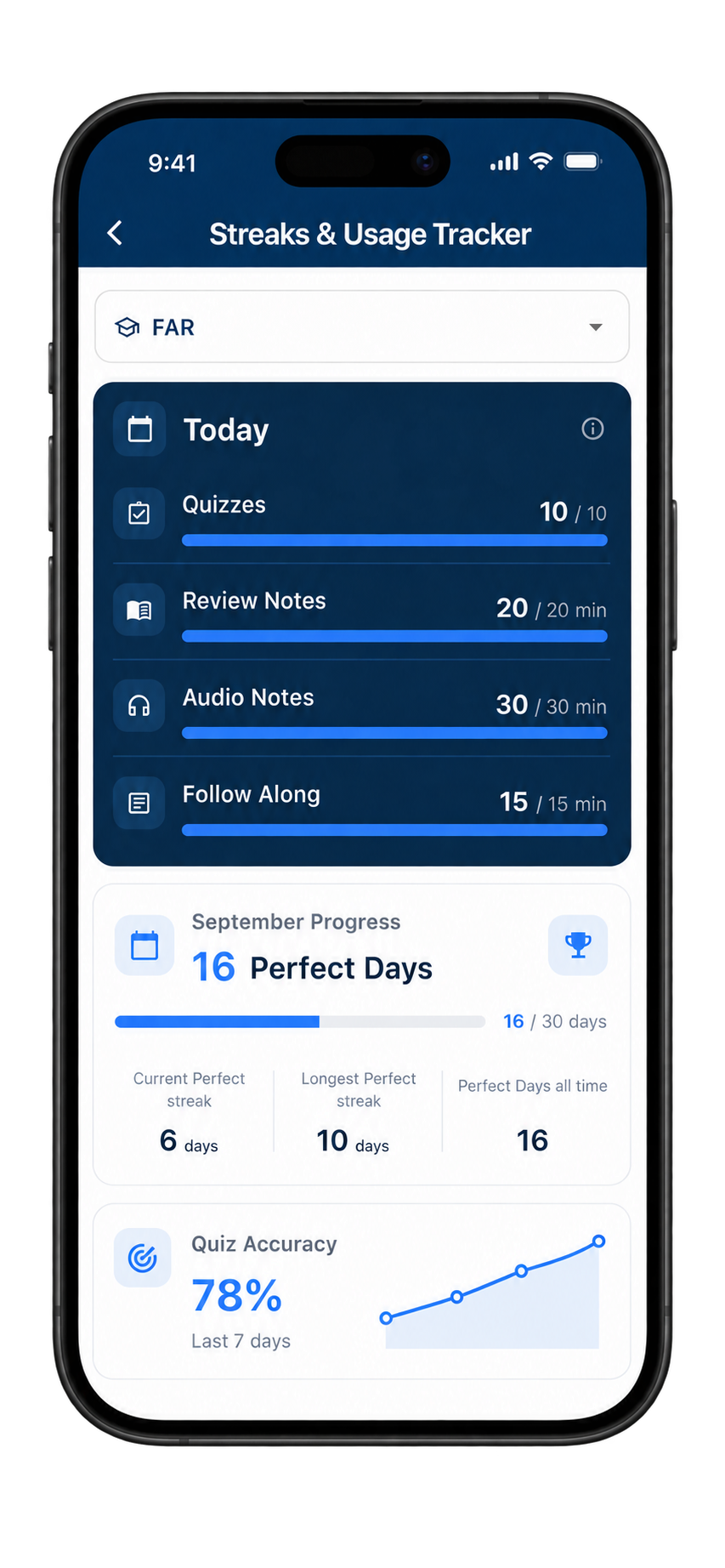
4. Re-review, constantly. Part of your study time each day is spent re-hitting or “re-reviewing” the previous topics you’ve been through. This obviously means your understanding & retention of all the topics dramatically improves as the weeks go by, instead of slowly forgetting all the stuff you previously studied. This re-review is part of your main session, then also throughout your day using the study tools, and through the material you've captured yourself. Each one hits the topics differently, which is part of why it works. It's also how you find out what still needs work: the things you keep missing become obvious, and there’s specific strategies in the course for turning those weak areas into strengths.
That's the loop. The topic changes, the process doesn't.
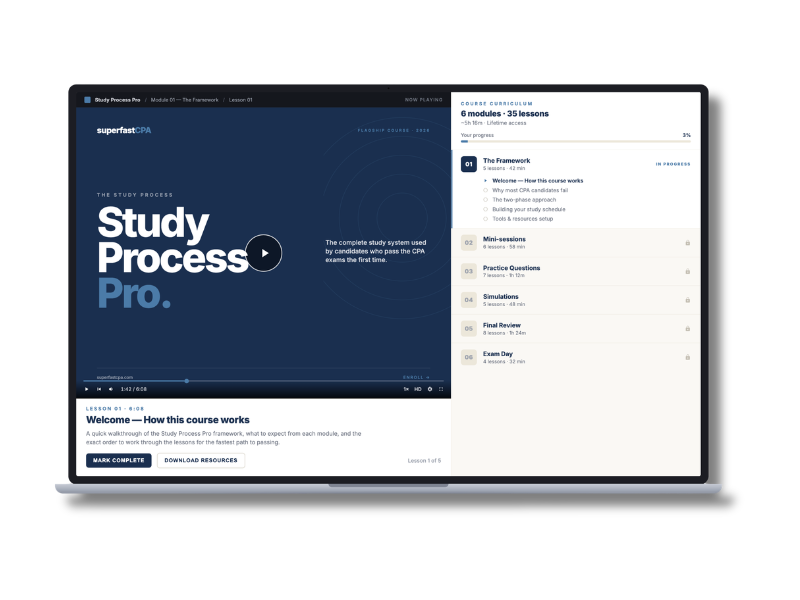
What the course actually teaches is the how for each step: the specific sequence for breaking down an MCQ, the different approach simulations require, what counts as verification, which types of information get captured and in what format, and how to set up each form of re-review in whichever review course you're using. Plus the strategies around the edges: how to handle a retake, how to use your final 48 hours before an exam, how scheduling your exams can either give you advantages or disadvantages on test day, etc.
It's also not just explained. The course includes walkthroughs where you watch each step performed on real questions and simulations, so you can see exactly what the process looks like in practice before you try it on your own material.
The four steps are the logic. The specifics are what make it work the same way every time, which is what turns studying from a daily guess into something repeatable.